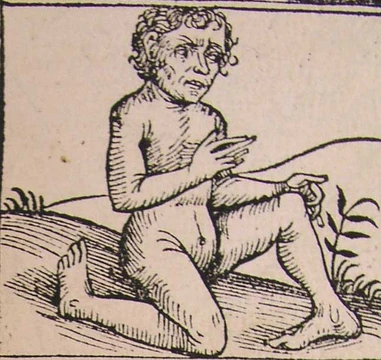
Bhoota (ghost)
Restless ghost of the Indian subcontinent, often seeking resolution.

Wikipedia / Wikimedia Commons
A bhoota (Sanskrit: भूत, bhūta) is a supernatural creature, usually the ghost of a deceased person, in the popular culture, literature and some ancient texts of the Indian subcontinent. Interpretations of how bhootas come into existence vary by region and community, but they are usually considered to be perturbed and restless due to some factor that prevents them from moving on, such as a violent death, unsettled matters, or the failure of survivors to perform proper funerals. Belief in ghosts has been deeply ingrained in the minds of the people of the subcontinent for generations, with many allegedly haunted places including cremation grounds, dilapidated buildings, palaces, havelis, forts, forest bungalows, and burning ghats.
- Type
- Supernatural creature / ghost
- Origin
- Indian subcontinent
- Etymology
- Sanskrit bhūta, meaning 'past' and 'being'
- Associated traditions
- Hinduism, Islam, Bengali culture, Pakistani folklore
- Common traits
- Shape-shifting, backward feet, no shadow, nasal voice, floating above ground
- Related beings
- Churel, Preta, Piśācha, Vetala, Bhuta (deified spirits)
Lore & Background
In many regions, bhootas are said to be repelled by invoking the names of holy figures and deities. According to Hinduism, the soul cannot be destroyed, so Hindu exorcists perform a ritual called atma-shanti, a modified Śrāddha, promising to ensure the rebirth of the bhoota or finish its incomplete works.
Reader's Guide
Bhootas hold a significant place in the socio-cultural beliefs of both Muslim and Hindu communities of Bangladesh and the Indian state of West Bengal. Fairy tales often use the concept of ghosts, and references to paranormal activity are found amply in modern-day Bengali literature, cinema, radio and TV programmes. In Pakistan, the word jinn is used to refer to both Arabic jinns and bhootas, giving bhootas a more varied and fluid identity. The term bhūta has cognates in many Indo-European languages, including English 'be', and has travelled into Southeast Asia, entering Javanese as buta (malevolent spirit/demonic giant) and evolving in the Malay world into a jinn-like creature. In Hindustani and other northern subcontinent languages, the concept is used extensively in idiom, such as 'ridden by the bhoot of something' meaning obsessive interest, and 'to look like a bhoot' meaning disheveled. The bhutas—spirits of deified heroes, fierce beings, and Hindu deities—are wrongly referred to as ghosts and are actually protective and benevolent beings, though they can cause harm in violent forms. Various ancient texts, including the Garuda Purana and Bhootatantra, discuss spirits and their control, while modern popular culture includes shows like Thakurmar Jhuli and the Pakistani reality show Woh Kya Hai.
Did You Know?
- The Sanskrit term bhūta has cognates in Welsh (bod), Irish (bha), English (be), Latvian (but), and Persian (budan).
- A churel is a bhoota of a woman who died during pregnancy or childbirth, often luring young men.
Frequently Asked Questions
What is a Bhoota?
A Bhoota is a restless ghost from the folk traditions of the Indian subcontinent, usually the lingering spirit of someone who died under disturbing or unresolved circumstances. The name draws from Sanskrit, weaving together the ideas of 'past' and 'being' to describe a soul trapped between the living world and the afterlife.
What are the classic physical traits of a Bhoota?
In traditional depictions a Bhoota walks on backward-facing feet, casts no shadow, hovers just above the ground, and speaks in a thin, nasal voice. Many regional stories also grant it the ability to shift its shape at will.
How does a Bhoota come into existence?
Across the subcontinent's various communities, a Bhoota is typically born when a person dies violently, leaves critical matters unfinished, or is denied proper funeral rites by surviving relatives. The exact trigger differs by region, but the shared idea is that some unresolved factor pins the spirit to the mortal world.
How is a Bhoota different from a Churel or a Preta?
All three are restless dead in South Asian folklore, but a Churel is usually a female ghost bound to a specific place or grudge, while a Preta is an emaciated spirit condemned to endless hunger. A Bhoota is the broader category of any unsettled ghost and is the one most consistently linked to backward feet and shape-shifting.
How does a Bhoota's story end, or how does it find peace?
In most folk narratives the Bhoota is released once its unfinished business is settled—its body receives proper cremation, a wrong is righted, or a living person finally acknowledges it and performs the rites it was denied. After that resolution the spirit drifts onward and stops haunting.
More in Back-footed beings 1-23
Spotted an error? Know more?
This is a living reference — every entry is fact-audited, and reader corrections feed straight into our audit queue. Suggest an edit · See this site's audit record